

Criminal Justice
& Second-Chance
Employment

The United States has the world’s largest prison population yet some of the highest rates of crime and violence. The current system has profound repercussions, disproportionately impacting certain communities and creating cycles of incarceration that undermine families, communities, and economies.
At Greenbridge, we focus on two priorities: helping individuals avoid incarceration in the first place and supporting second chances for those who have paid their debt to society. From addressing the school-to-prison pipeline to promoting alternatives to incarceration, we believe reform must happen at every level.
We are particularly committed to reducing recidivism by addressing barriers to employment and encouraging policies that enable businesses to hire from this overlooked talent pool. By championing innovative, scalable approaches to reform, we aim to create opportunities for individuals and strengthen communities, paving the way for a more equitable society.
Above banner photo courtesy of FreeWorld
Grantees
Meet the incredible organizations that we are supporting. Each is creating a meaningful impact in its own way. We hope you will spend time learning more about the ones that speak to you.


-
FreeWorld’s mission is to end generational poverty and recidivism. They help formerly incarcerated people get high-wage jobs so they can thrive on their own terms. With a newfound sense of stability, prison remains a memory for FreeWorld graduates. Jason Green is a founding board member.
-
Jason’s close friend Matt Mochary started coaching formerly incarcerated men on how to find jobs. He discovered trucking was an ideal vocation that was in high demand and easy to learn. The results were astounding. They decided to start a non-profit to scale this initiative and recruited an amazing leader, Jason Wang, formerly incarcerated himself, to scale this organization. We’re proud to say that, as of summer 2024, they have over 1,500+ graduates. We hope to expand to thousands in the next few years under Jason’s leadership.


-
Recidiviz is a team of technologists committed to getting decision-makers – from policymakers and corrections leaders to individual probation and parole officers – the data they need to drive better criminal justice outcomes.
-
We are so impressed with the approach that Clementine Jacoby and the team at Recidiviz are taking to help folks return to the community. Instead of lobbying to change the system, they’ve identified a clear need with in the complex prison system in the US that they can fix right now: integrated data systems to help officials make timely, informed decisions. Within the next five years, they seek to directly remove 100,000 people from the criminal justice system safely and we are proud to help them achieve this ambitious goal.

-
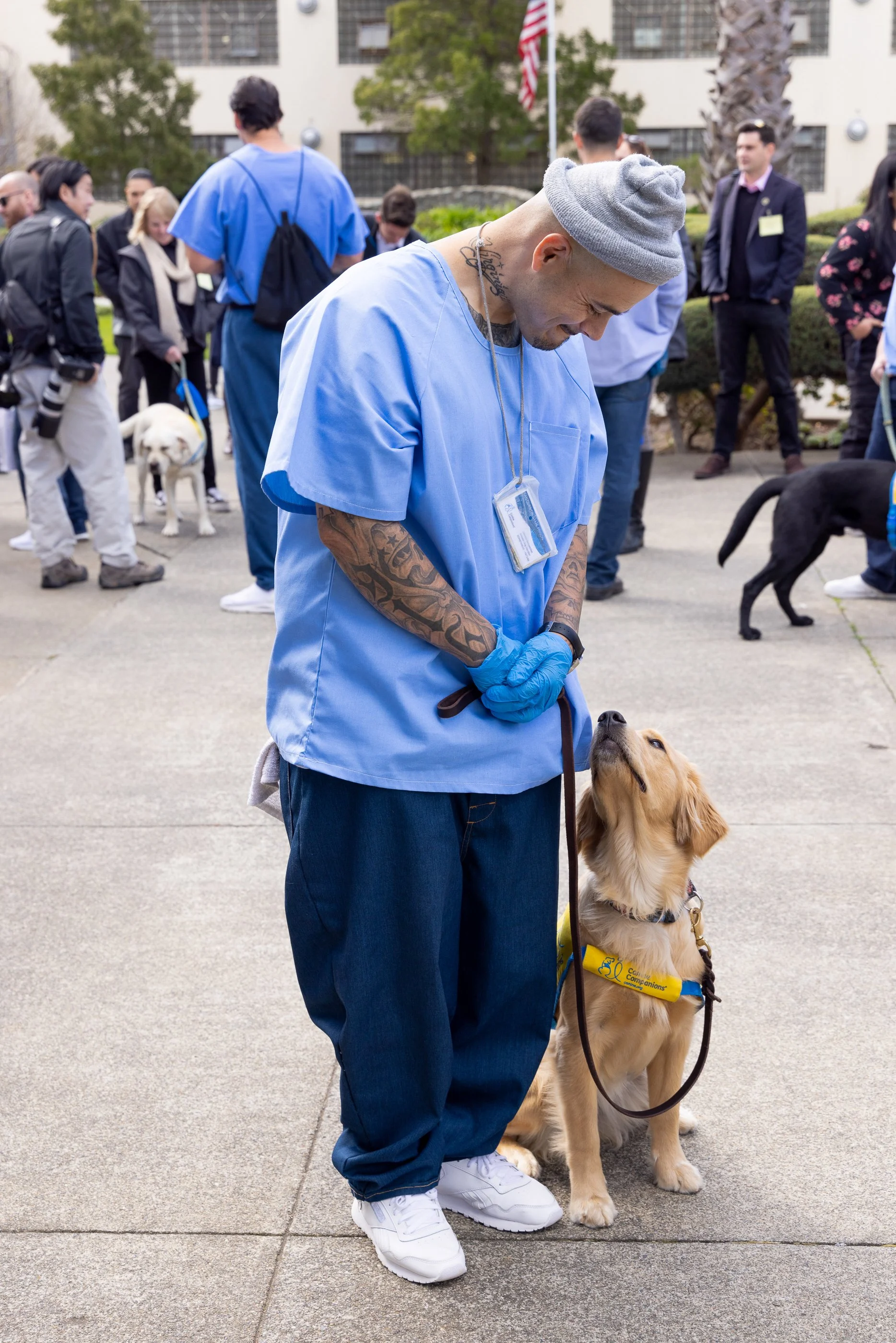
Canine Companions provides expertly trained service dogs to adults, children, and veterans with disabilities free of charge, fostering greater independence and life-changing partnerships since 1975. A vital pillar of this mission is their Prison Puppy Raising Program, which matches future service dogs with incarcerated handlers across the United States, including at nearby San Quentin Rehabilitation Center. Under the 24/7 care of these dedicated handlers, the puppies spend their first year and a half learning essential socialization skills and basic commands before advancing to professional service training. Data shows the profound dual impact of this initiative: while providing invaluable foundation training for the dogs, the program drastically cuts recidivism, as participating handlers are far more likely to successfully reintegrate into society and stay out of prison after release compared to the national average.
-
We have seen firsthand the transformative power of providing justice-involved individuals with real opportunities for leadership, personal growth, and agency while they serve their time. Puppy training programs are an incredible reflection of this philosophy—giving handlers the responsibility to equip a puppy to become a life-changing service dog and lifelong friend to someone on the outside. Canine Companions has built a deeply impactful, structured program within San Quentin Rehabilitation Center that beautifully demonstrates how rehabilitation and community contribution can go hand in hand.


-
Freedom Reads is a first-of-its-kind organization bringing libraries to people in prison so that they can transform hopelessness into possibility. They bring beautifully handcrafted 500-book libraries into prison, and by doing so, bring hope and possibility to serving their sentences. To date they have built more than 200 Freedom Libraries in 33 prisons and juvenile detention facilities, serving more than 25,000 library patrons.
-
Freedom Reads sits at the unique intersection of several areas of interest to the Greenbridge team: our deep commitment to criminal justice innovation, supporting organizations whose leaders have proximate experience, and English literature (Ann is pursuing her Ph.D. on this topic). We are very impressed with their founder & CEO, Reginald Dwayne Betts, and the organization’s commitment to equity of access to their resources: they seek not to provide just one library per prison but per housing unit within the prison.

-
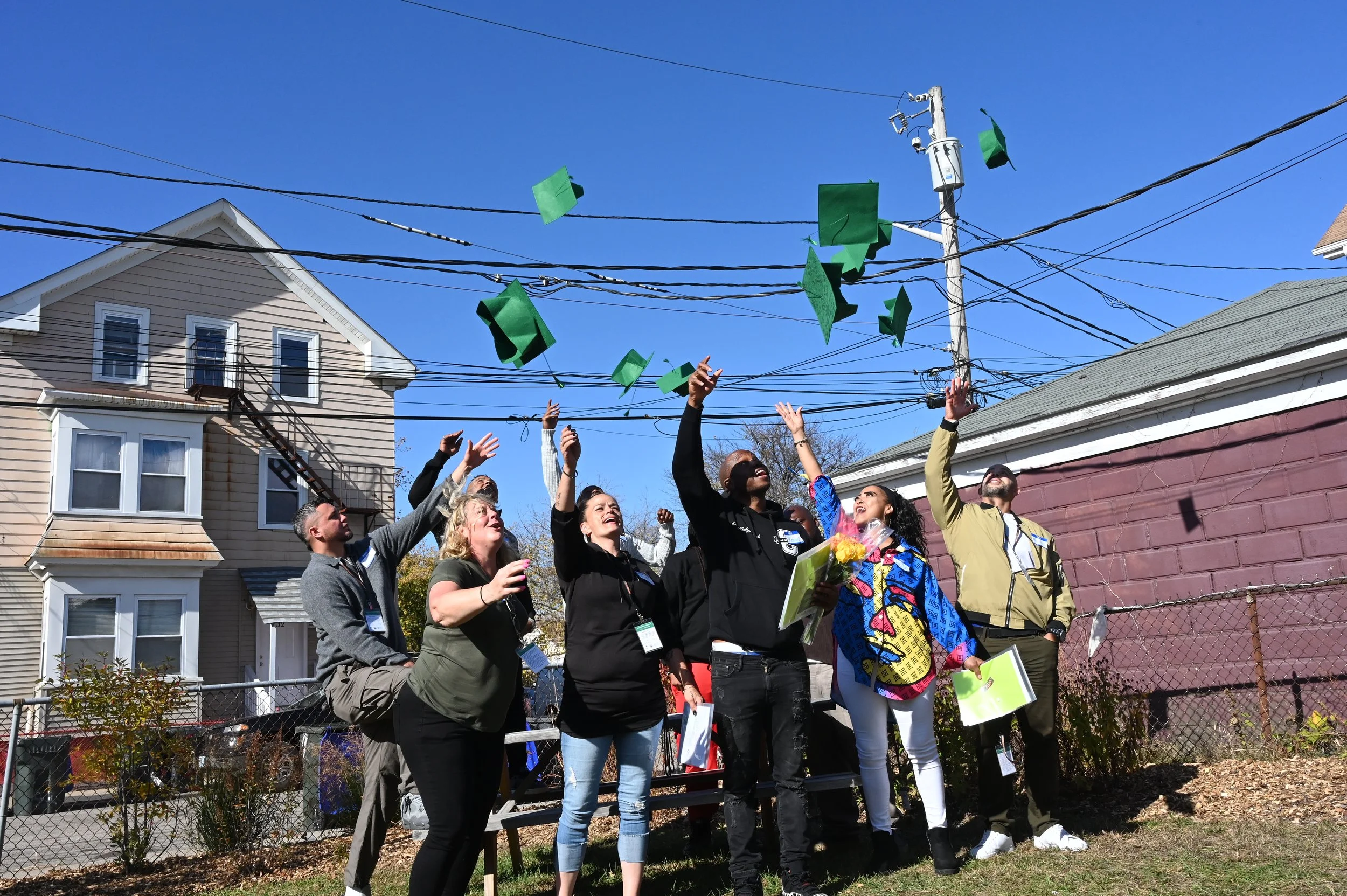
They prepare incarcerated individuals in Rhode Island for the workforce, equipping a traditionally underserved population with the skills, self-confidence, and support they need to successfully transition to long-term employment and productive life in the community.
-
While they are a small program based only in Rhode Island, they have designed a unique program that provides skills and support to individuals while they are in prison and, through the input of participants, has recently launched a re-entry program to support program participants in using their newfound skills as they re-establish their relationships and network in the community.


-
OpenDoors is the first and the largest organization in Rhode Island dedicated to helping people who have been in prison. They offer re-entry planning services to incarcerated individuals in prison and people with criminal records.
-
Part of what drew us to OpenDoors is their commitment to building an organization that represents those they seek to serve: over three-quarters of staff, including the management team, have experience with overcoming incarceration or addiction, and the agency continues to develop the leadership skills of those who know from personal experience how important this issue is. While they will work with anyone seeking support, they are leaning into the unique needs of women as they return to the community, which was of particular interest.

-
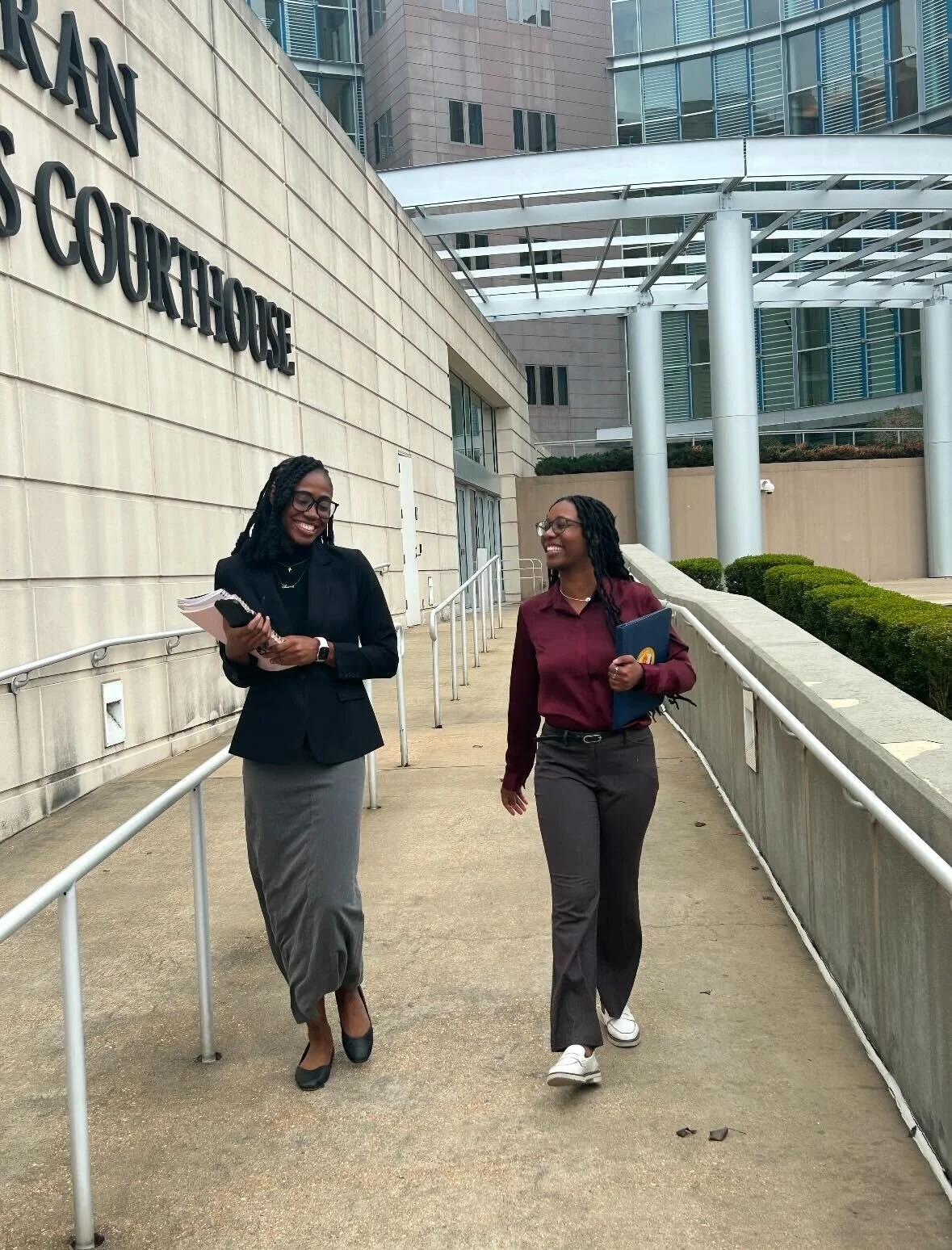
Partners for Justice was created to transform and empower public defense, helping defenders secure better outcomes for the 80% of accused people they represent. Their mission is to transform public defense — at scale. They do this by practicing collaborative defense, a method to help public defenders be more client-led and secure better outcomes.
-
Partners for Justice is reimagining what public defense can be by putting people at the center. Their model recognizes that legal issues rarely exist in isolation—and that by co-locating services, clients can access the holistic support they need to build stronger, more stable lives. We’re impressed by Emily and her team’s commitment to meeting people where they are, both physically and metaphorically, and ensuring the public defense system becomes a true bridge to long-term wellbeing.

-
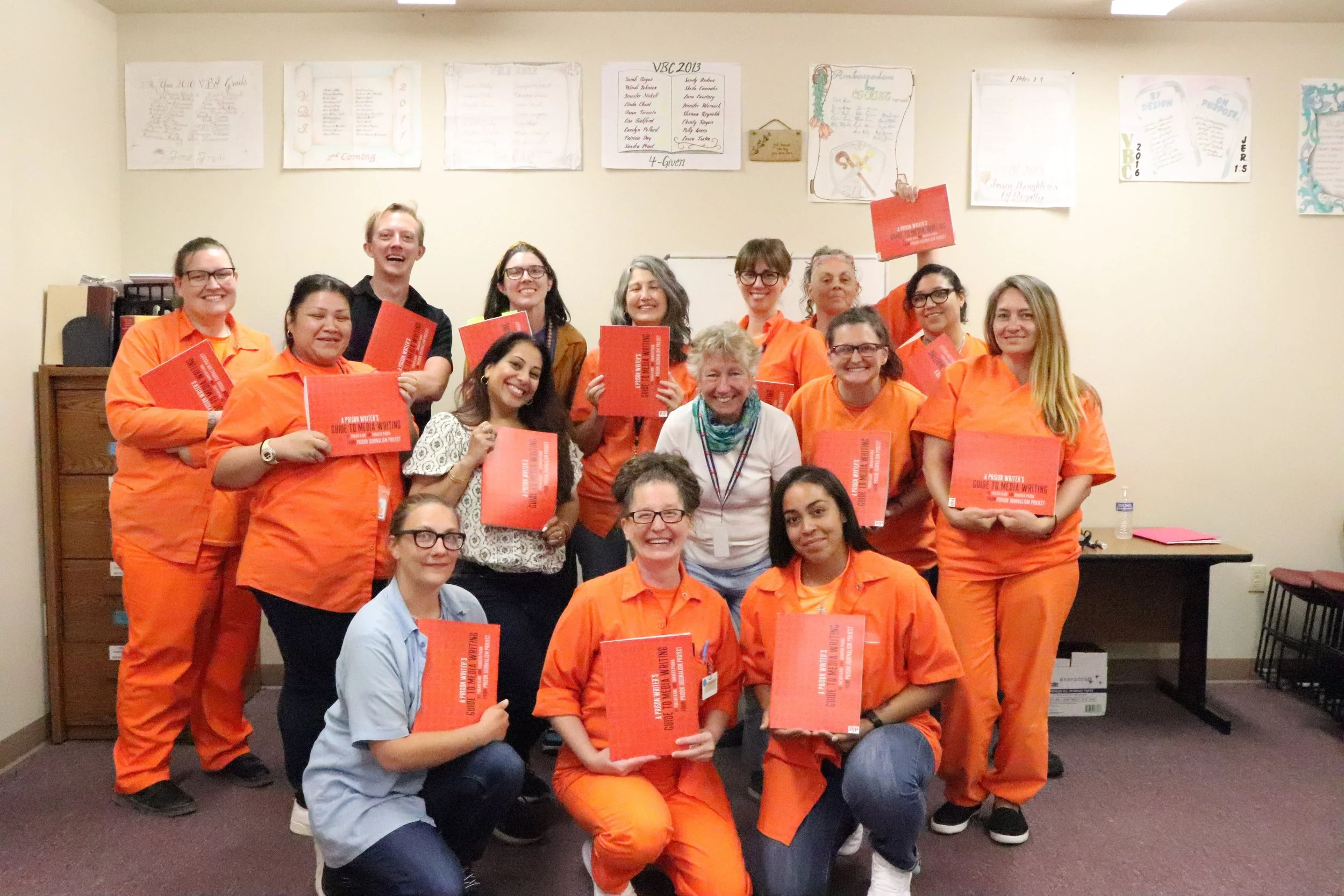
The team at Prison Journalism Project trains incarcerated writers to be journalists and publish their stories. They’re bringing transparency to the world of mass incarceration from the inside and training writers to be journalists, so they can participate in the dialogue about criminal legal reform. Their approach also provides workforce readiness training, so they can be better prepared to re-enter society even as they’re shifting the narrative.
-
We believe the people closest to a problem should be the ones telling its story. Prison Journalism Project trains and supports incarcerated writers to share their lived experiences, shining a light on parts of the justice system too often hidden from public view. In doing so, they’re not only advancing transparency and accountability—they’re also helping individuals build agency, purpose, and storytelling skills that can support reentry and employment after release.
Explore Our Other Initiatives

Empowering Women & Children

Education & Opportunity

Democracy

Environment

Mental Health

Additional Impact Partners

Diverse & Emerging Managers